
SEO (Search Engine Optimization) is translated into Vietnamese as "Tối ưu hóa công cụ tìm kiếm." This means making a website or digital content achieve high rankings on search engine result pages (SERPs) of search engines. Examples include Google, Bing, Yahoo, and other search engines. SEO standards are understood as a standard refers to meeting the optimization factors that make content friendly to search engines.
So, how can you build an SEO strategy that is friendly to Google?
Selecting "Short-Tail Keywords"
When building a unique SEO strategy, an easy place to start is choosing the right keywords. Note down short words and phrases related to your brand. Then use SEO tools to research the search volume and competitiveness of each word and phrase.
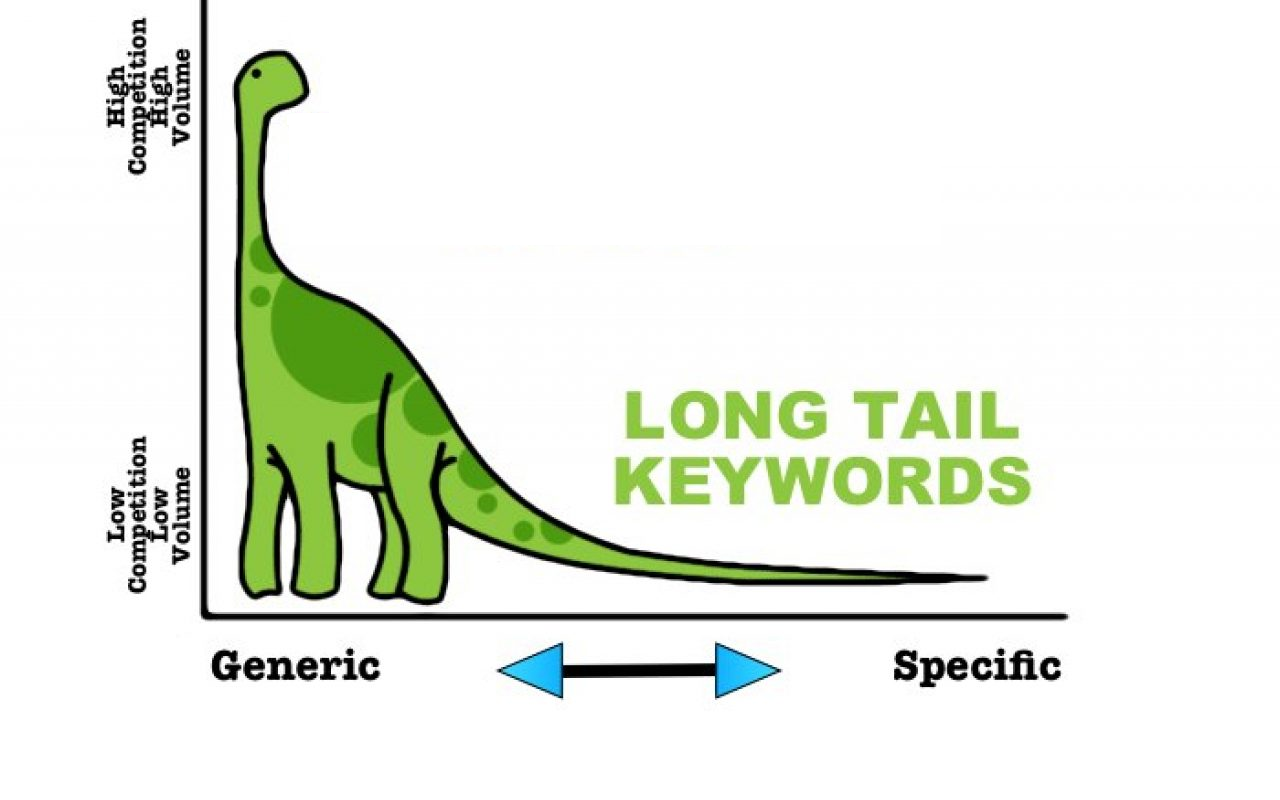
In cases where short keywords are too popular, look for less competitive related terms. This can be done by going deeper and being more specific. For example, with "hat," you can use variations like "beach hat." However, remember to ensure that variations of popular short-tail keywords in your list remain relevant to your target audience.
Building Content from "Long-Tail Keywords"
Next, expand that list by analyzing long-tail keywords related to each topic. These longer phrases are essentially more nuanced versions of short-tail keywords. However, they can contain content that answers topics of interest to potential customers. Continue using SEO tools to filter out long-tail keywords that are already quite common. Finally, use the topics of these "long-tail keywords" to determine the type of content you can create on your blog or website.
Adjusting Content Topics
Finally, by creating appropriate content, you will target a large number of consumers with various interests in your product or service. Web pages that analyze topics are often those that Google identifies as the best answers for related content, thus ranking higher.

Connecting with your target audience
Google always focuses on the user's intended purpose. Therefore, identifying your target audience and assessing their needs also helps determine the content you need to create. It can even spark additional ideas.
SEO and content marketing do not deliver immediate satisfaction. Instead, you create value for consumers until they are ready to buy.

Optimizing website building
Another activity in an SEO strategy is website building. You will also need to optimize on-page elements. For example: title tags, meta descriptions, URLs, heading tags, and images.
Links are the next valuable component of any SEO strategy. By attracting more links to your website, you increase your site's authority and improve your rankings.
The final key component of an SEO strategy is measuring organic traffic. This is the number of visitors you receive as a result of your efforts. Find a tool that tracks both overall organic traffic and the ranking of each page. By tracking metrics such as traffic, links, keywords, and rankings… you will better understand what is influencing your target audience. From there, you can improve and adjust them.

To be fair, patience is a crucial factor in any good SEO strategy. It can take several months to see improvements. This can be quite technical, so if you lack the fundamentals, you may consider partnering with an SEO platform for consulting and implementation.